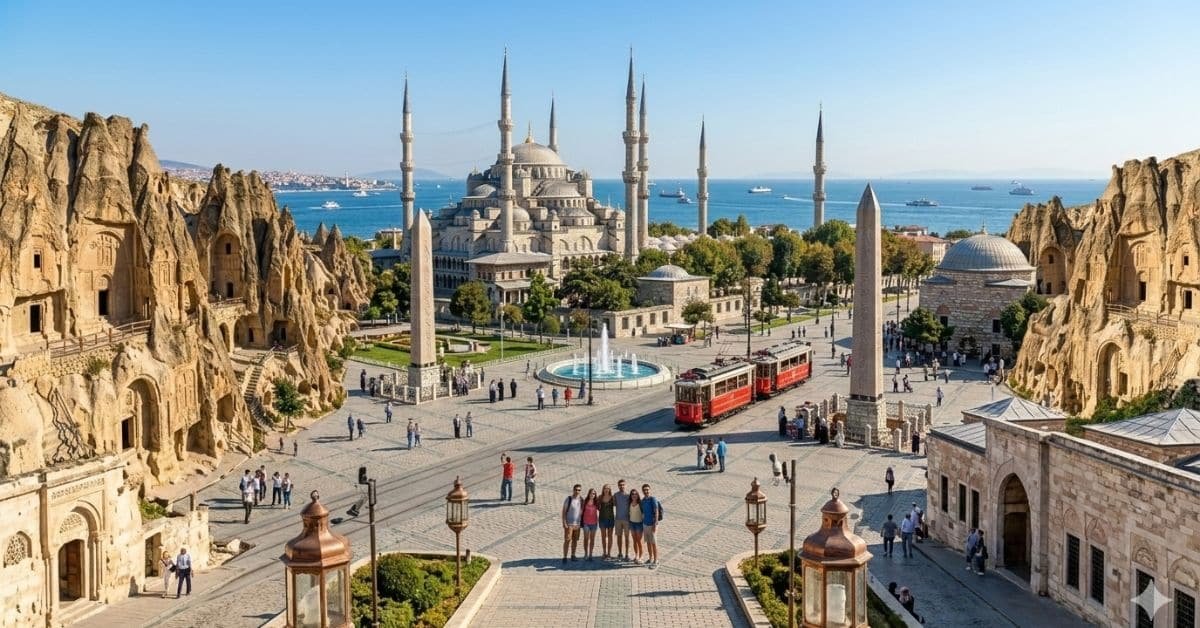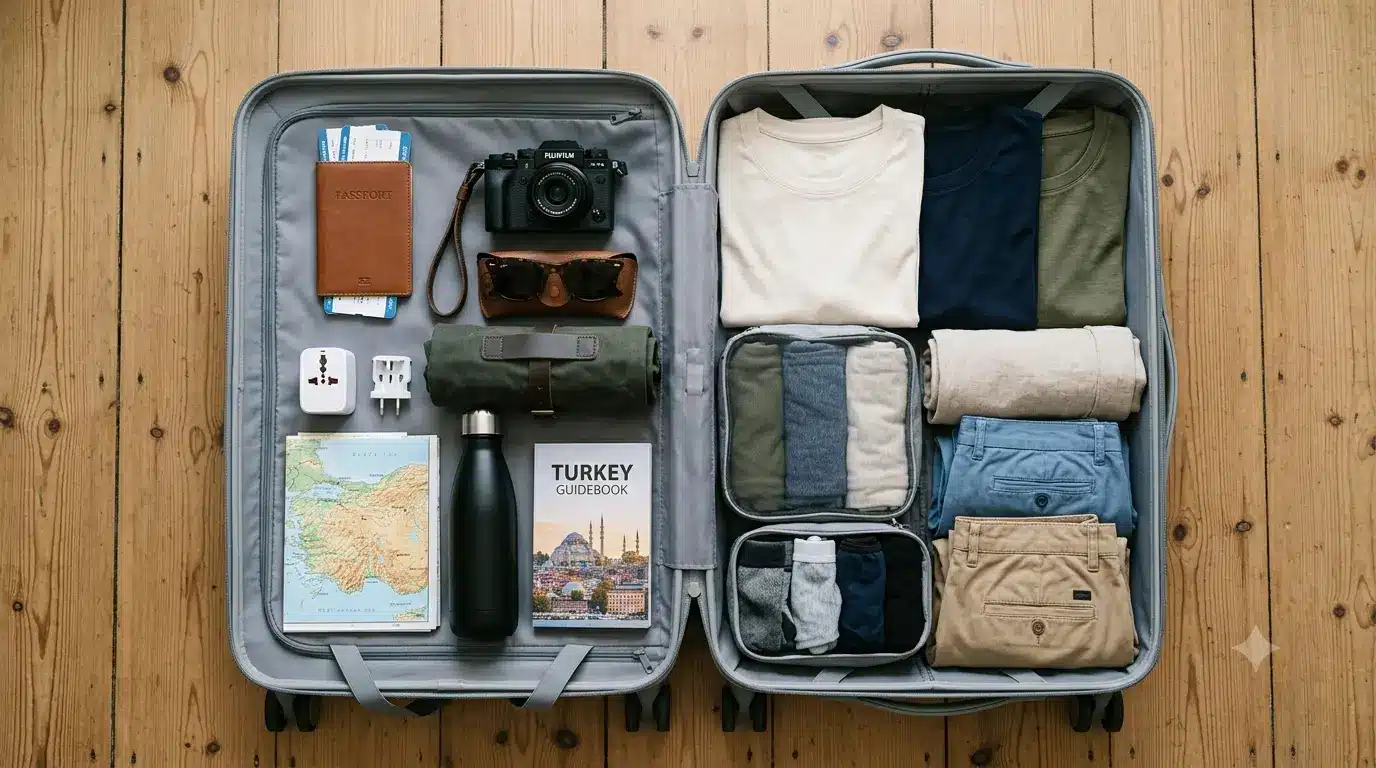

Turkey is a land where history, culture, and natural beauty collide in a spectacular display of vibrant colors and ancient stories. For many travelers, planning a trip to this transcontinental gem can feel overwhelming due to its sheer size and diversity. This Turkey travel guide for first-time visitors is designed to simplify your journey, offering a comprehensive roadmap from the bustling streets of Istanbul to the surreal landscapes of Cappadocia and the turquoise waters of the Mediterranean.
Whether you are drawn by the aroma of freshly ground Turkish coffee or the dream of soaring in a hot air balloon, Turkey offers an experience unlike any other. In this guide, we will break down everything you need to know for a seamless and unforgettable Turkish adventure.
Understanding Turkey: A Land of Two Continents
Turkey occupies a unique position on the global map, bridging Europe and Asia across the Bosphorus Strait. This geographical positioning has made it a melting pot of civilizations for millennia, including the Romans, Byzantines, and Ottomans.
Today, Turkey is a modern, secular republic that remains deeply rooted in its rich traditions. While Ankara is the capital, Istanbul remains the cultural and economic heart of the nation. As a first-time visitor, you will find that the country is surprisingly easy to navigate, with world-class infrastructure and a legendary hospitality culture known as Türk misafirperverliği.
Top Attractions for Your Turkey Travel Guide for First-Time Visitors
When crafting your itinerary, it is essential to balance iconic landmarks with local experiences. Here are the “Must-Visit” spots for any debut trip.
Istanbul: The Soul of the Nation
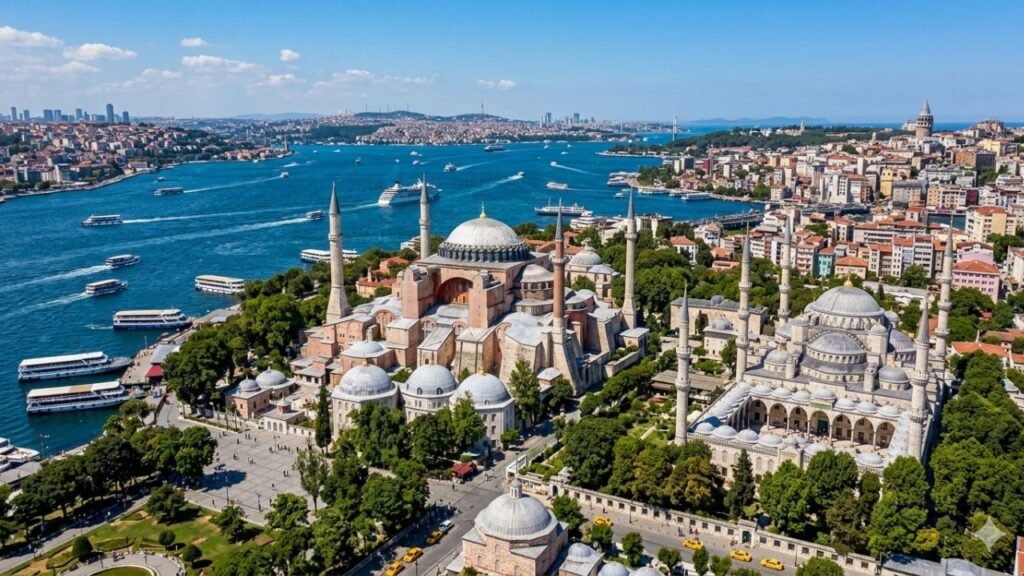
No trip is complete without spending at least four days in Istanbul. Focus on the Sultanahmet district, where you can walk between the Hagia Sophia, the Blue Mosque, and the Topkapi Palace. Don’t miss a sunset cruise on the Bosphorus to see the city skyline transition from day to night.
Cappadocia: The Land of Fairy Chimneys
Located in central Anatolia, Cappadocia looks like a scene from a fantasy novel. Famous for its “fairy chimney” rock formations and cave dwellings, it is the premier spot for hot air ballooning. Explore the Goreme Open Air Museum and the deep underground cities of Derinkuyu or Kaymakli.
Ephesus: A Step Back in Time
Near the town of Selcuk lies one of the best-preserved Roman cities in the Mediterranean. Walking the marble streets of Ephesus allows you to see the magnificent Library of Celsus and the Great Theatre, which once held 25,000 spectators.
Pamukkale: The Cotton Castle
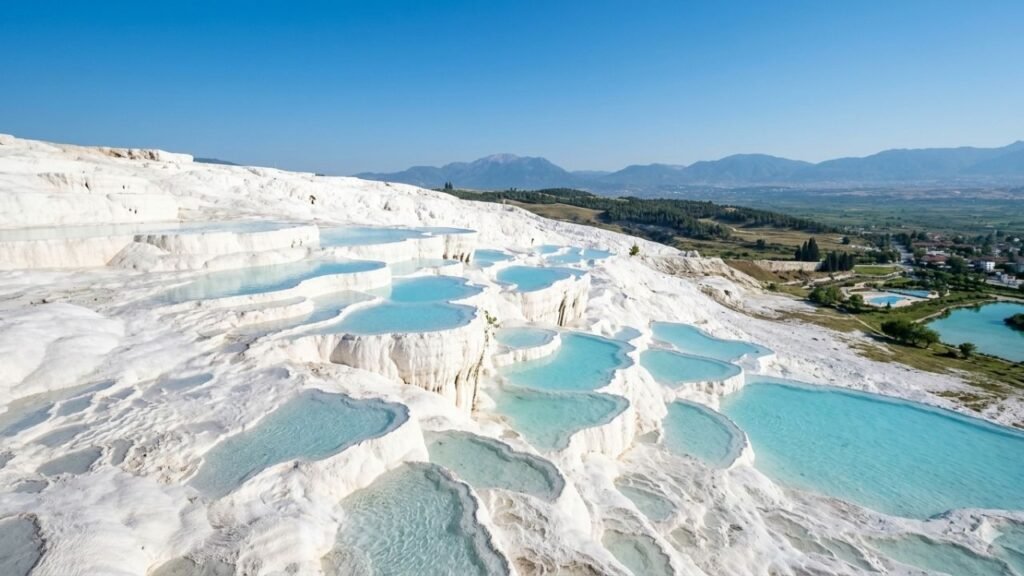
These brilliant white travertine terraces are formed by calcium-rich thermal springs. You can wade in the pools and then explore the ancient spa city of Hierapolis, located right at the top of the hill.
Best Time to Visit Turkey

Timing is everything when it comes to enjoying the diverse climates of the Turkish landscape.
- Spring (April to May): This is arguably the best time to visit. The weather is mild, the tulips are blooming in Istanbul, and the crowds are manageable.
- Autumn (September to October): Similar to spring, the temperatures are pleasant, and the sea remains warm enough for swimming along the Lycian Way.
- Summer (June to August): Expect high heat and large crowds. This is peak season for the coastal resorts of Antalya and Bodrum, but it can be exhausting for sightseeing in Central Anatolia.
- Winter (November to March): While chilly and rainy in many parts, winter offers the best prices. Cappadocia under a blanket of snow is particularly magical.
Travel Cost and Budgeting Tips
Turkey remains a relatively affordable destination compared to Western Europe, though inflation has affected prices in recent years.
| Budget Category | Estimated Daily Cost (USD) | What it Includes |
| Budget | $40 – $60 | Hostels, street food, public transport |
| Mid-Range | $90 – $150 | Boutique hotels, sit-down meals, some tours |
| Luxury | $250+ | 5-star resorts, private guides, fine dining |
Money-Saving Tips
- Use the Museum Pass: If you plan on visiting multiple sites, the “MuseumPass Turkey” can save you significant money on entrance fees.
- Eat Like a Local: Look for Esnaf Lokantası (tradesmen restaurants) which serve high-quality, home-cooked Turkish food at a fraction of tourist prices.
- Domestic Flights: Airlines like Pegasus and AJet offer very cheap flights between major cities if booked in advance.
How to Reach and Get Around
Turkey is incredibly well-connected, making it a dream for independent travelers.
International Arrival
Most travelers arrive at the Istanbul Airport (IST), a massive, state-of-the-art hub. Be sure to check your Turkey visa requirements before flying; many nationalities can easily obtain an e-visa online through the official government portal.
Domestic Transportation
- Buses: Turkey has an extensive and luxurious intercity bus network. Companies like Kamil Koç and Metro Turizm offer comfortable seats, Wi-Fi, and snacks.
- Public Transport: In Istanbul, the Istanbulkart is your golden ticket. It works on trams, metros, ferries, and buses.
- Driving: Renting a car is a great option for exploring the “Turquoise Coast” (D400 highway), as the roads are generally in excellent condition.
Where to Stay: From Cave Hotels to Palaces
Accommodation in Turkey is part of the attraction itself.
- Istanbul: Stay in Sultanahmet for history or Beyoğlu/Karaköy for nightlife and trendy cafes.
- Cappadocia: You must stay in a Cave Hotel in Goreme or Uchisar. These rooms are carved directly into the soft volcanic rock, offering a cozy and unique atmosphere.
- Antalya: The Kaleiçi (Old Town) district offers charming Ottoman-era boutique pensions, while Lara Beach is the spot for all-inclusive luxury.
Local Food and Culture Essentials
Turkish cuisine is a sophisticated blend of Central Asian, Middle Eastern, and Balkan influences.
Must-Try Dishes
- Breakfast (Kahvaltı): A massive spread of cheeses, olives, honey, eggs (Menemen), and fresh bread.
- Kebabs: Beyond the Doner, try Adana Kebab (spicy minced meat) or Iskender Kebab (sliced meat over bread with tomato sauce and butter).
- Pide & Lahmacun: Often called “Turkish Pizza,” these are delicious, thin flatbreads with various toppings.
- Baklava & Turkish Delight: The ultimate sweet treats, best enjoyed with a glass of strong Turkish tea (Çay).
Cultural Etiquette
Turkey is a welcoming country, but being mindful of local customs goes a long way. Always remove your shoes when entering a home or a mosque. When visiting religious sites, dress modestly; women should cover their shoulders and hair, while men should avoid short shorts.
Travel Tips and Safety Advice
Is Turkey safe? Yes, for the vast majority of travelers, Turkey is a safe and hospitable destination. However, following standard travel safety protocols is always recommended.
- Tap Water: It is generally recommended to stick to bottled or filtered water.
- Scams: Be wary of overly friendly strangers in tourist areas who offer to take you to a “special carpet shop” or a “local bar.”
- Connectivity: Purchase an eSIM or a local SIM card (Turkcell or Vodafone) at the airport to stay connected for navigation.
- Language: While English is widely spoken in tourist hubs, learning basic Turkish phrases like Teşekkür ederim (Thank you) will earn you many smiles.
Frequently Asked Questions (FAQ)
1. Do I need a visa for Turkey?
Most international visitors require an e-Visa, which can be easily applied for online. Some nationalities are exempt for short stays, but it is always best to check the official Republic of Türkiye e-Visa website before you book.
2. Is it safe for solo female travelers?
Yes, Turkey is generally considered safe for solo women. However, it is wise to dress more conservatively when visiting less touristy areas and to use common sense, especially when out alone at night.
3. What currency is used in Turkey?
The official currency is the Turkish Lira (TRY). While some places might accept Euros or Dollars, you will get much better exchange rates using Lira. ATMs are widely available throughout the country.
4. How many days are enough for a first trip?
For a classic “Best of Turkey” experience, 10 to 14 days is ideal. This timeframe allows for:
4 days in Istanbul
3 days in Cappadocia
3-5 days for the Aegean or Mediterranean coast
5. Can I use my credit card in Turkey?
Yes, credit and debit cards are widely accepted in hotels, restaurants, and larger shops. However, you should keep some cash (Lira) on hand for small purchases, local markets, and public restrooms.
Conclusion: Starting Your Journey with this Turkey Travel Guide for First-Time Visitors
Turkey is a destination that stays with you long after you have returned home. From the call to prayer echoing over the Bosphorus to the silent majesty of the Taurus Mountains, it is a country that rewards the curious traveler. By following this Turkey travel guide for first-time visitors, you are well-equipped to navigate the logistics and embrace the wonders of this incredible land.
The secret to a successful Turkish holiday is to remain flexible. Sometimes the best experiences happen when you wander away from the main monuments and find yourself sharing tea with a local shopkeeper. We hope this guide helps you plan a trip that is as seamless as it is spectacular.
If you have any more questions about specific regions or need help narrowing down your itinerary, please let me know. Safe travels, or as the locals say, İyi yolculuklar!