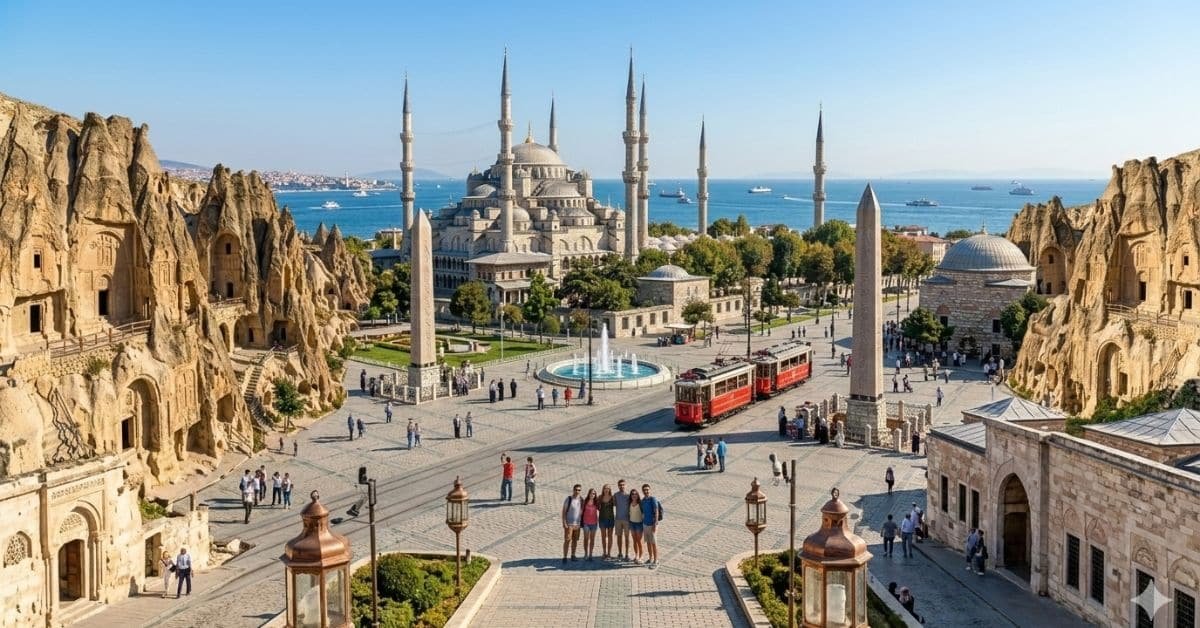
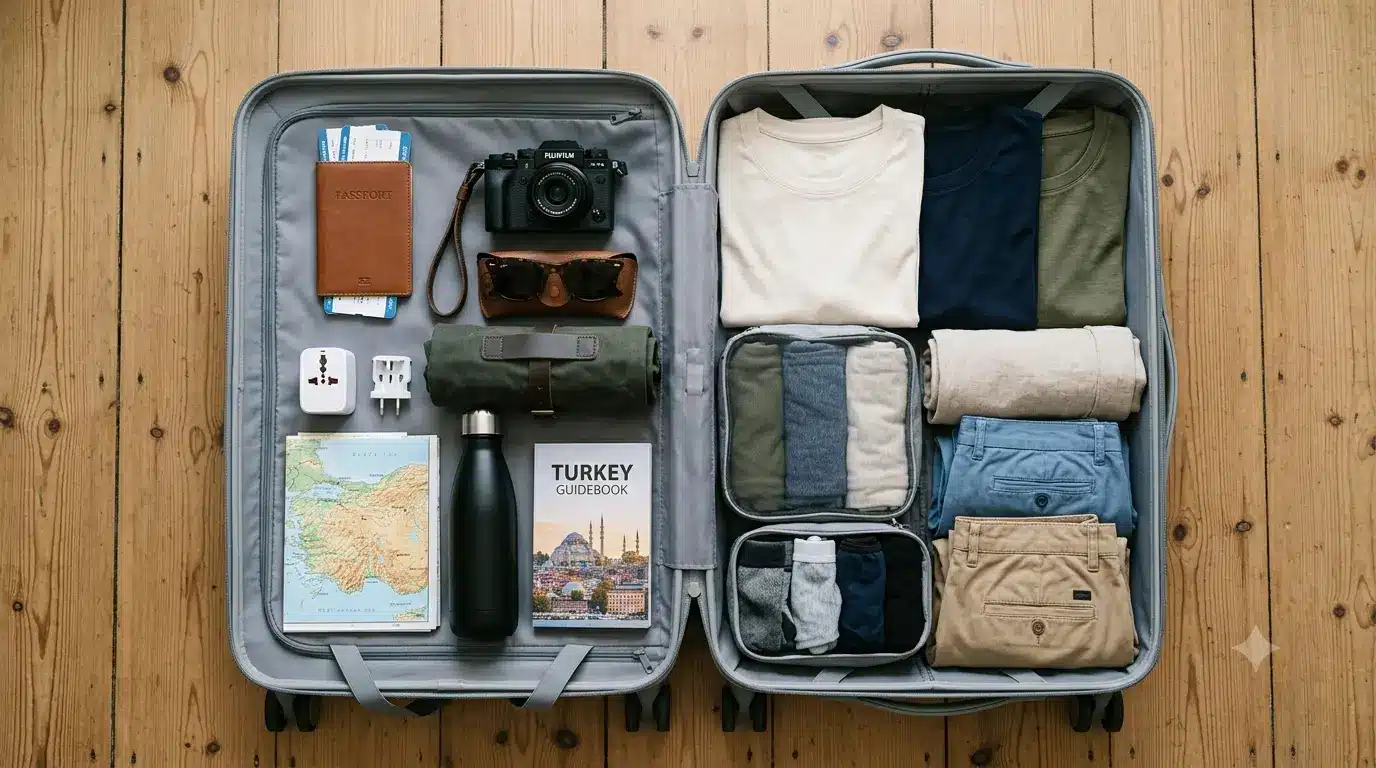
Preparing for a journey to the crossroads of Europe and Asia is a thrilling experience. From the bustling grand bazaars of Istanbul to the serene Mediterranean coastline and the surreal landscapes of Cappadocia, the country offers unparalleled diversity. However, this same diversity means that deciding exactly what to pack for Turkey can be quite a challenge. You will encounter varying climates, different cultural norms, and diverse terrains all within a single trip.
Whether you are planning a two-week historical expedition or a relaxing beach getaway, having the right gear is essential for a smooth experience. This comprehensive Turkey packing list is designed to remove the guesswork from your travel preparations. By following our detailed Turkey packing guide, you will be perfectly equipped for any adventure, ensuring you remain comfortable, respectful of local customs, and ready to enjoy everything this incredible nation has to offer.
The Ultimate Turkey Honeymoon Guide: A Romantic Roadmap for Couples
Why Your Turkey Packing List Matters
Creating a strategic packing plan is more critical for Turkey than for many other destinations. The country is vast, and the weather can change drastically depending on the region and the elevation. While the southern coast enjoys a warm Mediterranean climate, the central Anatolian plateau can be freezing in the winter.
Furthermore, cultural considerations play a massive role in your Turkey travel essentials. Turkey is a secular country with a modern outlook, especially in major cities and coastal resorts. However, it is also a nation with deep-rooted traditions and stunning religious sites. Understanding what clothes to wear in Turkey ensures you can transition seamlessly from a modern rooftop bar in Beyoğlu to a historic mosque in Sultanahmet without needing an entire wardrobe change.
Packing smart allows you to navigate steep cobblestone streets, fit into domestic flights with strict baggage allowances, and leave room in your suitcase for souvenirs like Turkish delight, ceramics, and textiles.
Essential Travel Documents for Your Turkey Packing List
Before you worry about clothing or electronics, your paperwork must be in order. Without these crucial items, your trip cannot even begin. Keep these documents in a secure, easily accessible part of your personal carry-on bag.
The Ultimate Guide to the Best Hotels in Istanbul for Every Traveler
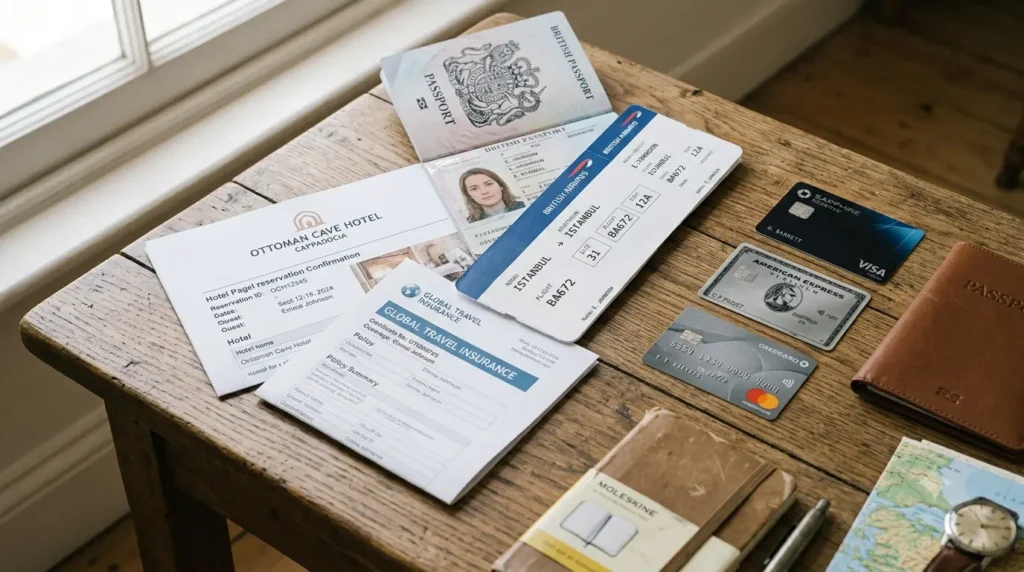
- Valid Passport: Your passport must be valid for at least six months from your date of entry into Turkey. Ensure you have at least one blank page for entry and exit stamps.
- Turkish E-Visa: Many nationalities require a visa to enter Turkey. This can easily be obtained online via the official Republic of Türkiye e-Visa website. Print a physical copy and keep a digital version on your phone.
- Travel Insurance Documents: Comprehensive travel insurance is a must. Ensure your policy covers medical emergencies, trip cancellations, and any adventure activities like hot air ballooning or scuba diving.
- Flight and Accommodation Itineraries: Have printed copies of your return flights and your first few nights of hotel bookings. Immigration officers occasionally ask for proof of onward travel.
- International Driving Permit: If you plan on renting a car to drive along the Turquoise Coast or through Cappadocia, an International Driving Permit alongside your standard license is highly recommended.
- Photocopies of Everything: Keep physical photocopies of your passport and visa in a separate bag from the originals. This will save you immense trouble if your primary documents are lost or stolen.
Clothing Checklist: What Clothes to Wear in Turkey
When considering what to pack for Turkey, versatility is your best friend. The goal is to pack items that can be mixed, matched, and layered.
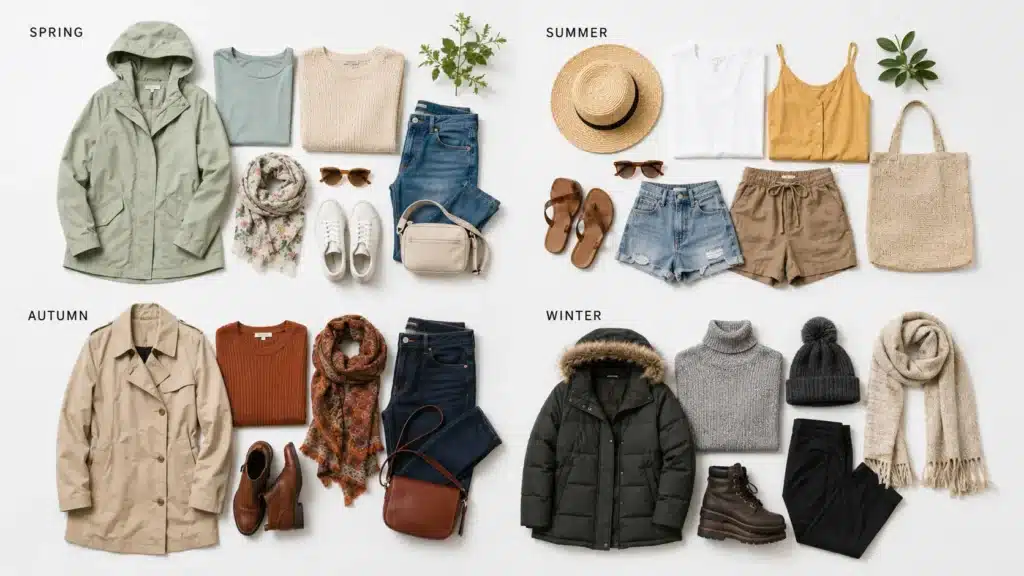
As a general rule for modesty, tourist areas are very relaxed. You can wear shorts, tank tops, and summer dresses comfortably. However, when visiting mosques or traveling to more conservative rural areas, both men and women must cover their shoulders and knees.
Spring (March to May)
Spring is arguably the best time to visit, featuring mild temperatures and blooming flowers. However, the weather can be unpredictable, with sudden rain showers or chilly evenings.
- Light Layers: Pack t-shirts and long-sleeve shirts that can be worn under a jacket.
- Lightweight Jacket: A denim jacket, utility jacket, or a light fleece is perfect for spring evenings.
- Comfortable Trousers: Jeans, chinos, or linen pants are ideal for daytime sightseeing.
- Maxi Skirts or Dresses: For women, these are excellent for staying comfortable while adhering to modesty guidelines at religious sites.
- Light Raincoat or Travel Umbrella: April can bring unexpected spring showers, especially in Istanbul and the Black Sea region.
Summer (June to August)
Summers in Turkey are hot, particularly on the Aegean and Mediterranean coasts. The key to your Turkey travel packing tips for summer is breathable, lightweight fabrics.
- Breathable Tops: Pack plenty of cotton or linen t-shirts and tank tops.
- Shorts and Skirts: Perfectly acceptable for coastal towns like Bodrum, Antalya, and Fethiye, as well as walking around modern areas of Istanbul.
- Lightweight Trousers: Loose, flowy pants are great for protecting your legs from the sun while remaining cool.
- Swimwear: Bring at least two swimsuits if you plan to spend time on the coast or visiting the thermal pools of Pamukkale.
- Sun Protection Clothing: A wide-brimmed hat and UV-protection shirts are highly recommended for the intense midday sun.
- Cover-ups: A beach cover-up is essential for walking from your hotel to the beach.
Autumn (September to November)
Autumn mirrors spring, starting warm in September and gradually cooling down by November. Layering becomes crucial once again.
- Sweaters and Cardigans: Pack a few mid-weight sweaters for the cooling evenings.
- Long Trousers and Jeans: As the weather cools, you will transition away from shorts completely.
- Warm Jacket: By late October and November, a heavier jacket is necessary, particularly for early morning hot air balloon rides in Cappadocia.
- Closed-Toe Shoes: Transition from sandals to comfortable sneakers or ankle boots.
- Versatile Scarf: Excellent for keeping your neck warm during chilly Bosphorus ferry rides.
Winter (December to February)
Winter in Turkey can be harsh. Istanbul experiences cold winds and occasional snow, while central and eastern Turkey see heavy snowfall and freezing temperatures.
- Heavy Winter Coat: A high-quality, insulated winter coat is non-negotiable.
- Thermal Base Layers: Pack thermal leggings and long-sleeve undershirts to retain body heat without adding bulk to your suitcase.
- Warm Sweaters: Wool or heavy fleece sweaters are essential for daytime exploration.
- Winter Accessories: Do not forget a warm beanie, insulated gloves, and a thick woolen scarf.
- Waterproof Boots: Essential for navigating slushy streets or exploring the snowy landscapes of Cappadocia safely.
The Ultimate Guide: Best Things to Do in Cappadocia for First-Time Visitors
Shoes to Pack for Your Turkey Packing List
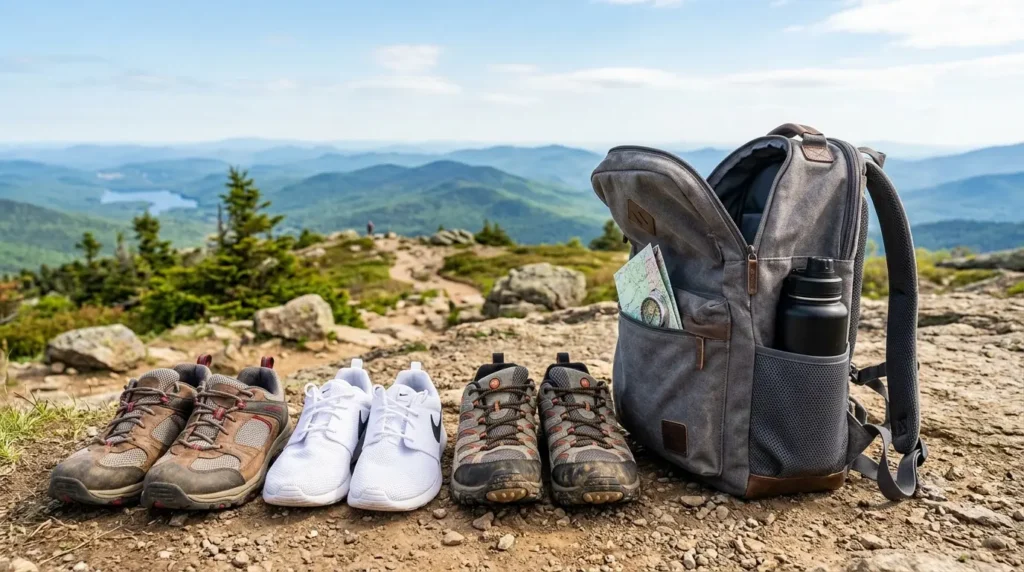
Your choice of footwear will make or break your trip. Turkey is a country best explored on foot, and the terrain ranges from steep, uneven cobblestones to ancient marble ruins. Leave the high heels at home; they are impractical and dangerous on historic streets.
- Primary Walking Shoes: A pair of high-quality, broken-in sneakers or running shoes is the most important item on your Turkey packing checklist. You will easily walk over 15,000 steps a day.
- Comfortable Sandals: For summer trips, bring supportive sandals with good arch support for beach towns and casual evening dinners.
- Water Shoes: The beaches along the Mediterranean can sometimes be pebbly rather than sandy. Water shoes protect your feet and are also great for walking on the slippery travertine terraces of Pamukkale.
- Hiking Boots (Optional): If you plan to hike the Lycian Way or explore the deep valleys of Cappadocia on foot, lightweight hiking boots are highly recommended.
- Slip-on Shoes: A simple pair of slip-on shoes or loafers is great for airport travel and quick walks around your hotel.
Electronics and Tech Gear
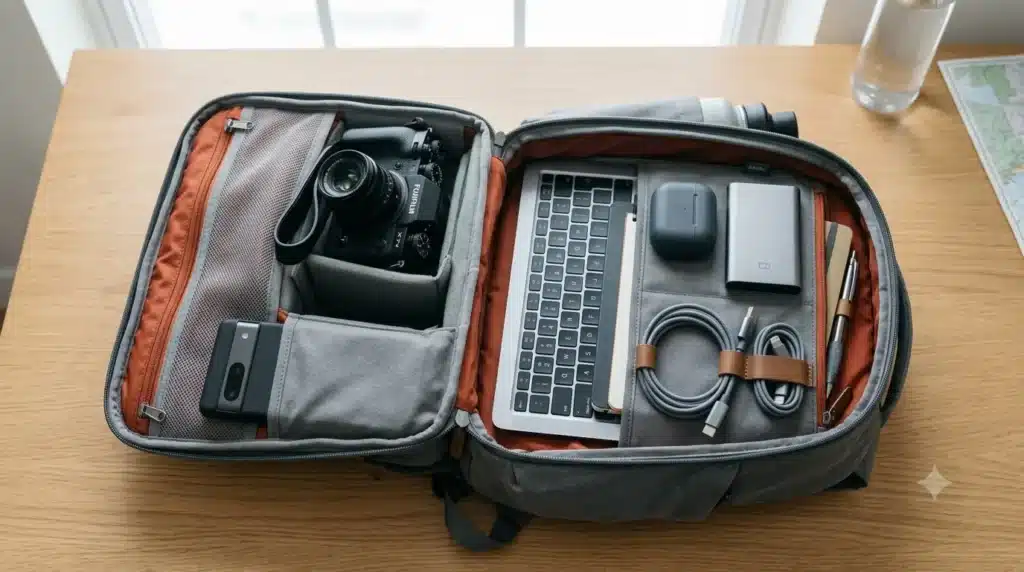
Capturing memories and staying connected requires the right technological gear. Turkey utilizes a modern electrical grid, but you must be prepared with the correct adapters.
- Universal Travel Adapter: Turkey uses standard European plugs (Type C and Type F) with a standard voltage of 230V. Ensure your adapter fits these sockets.
- Voltage Converter (If necessary): Most modern electronics (phones, laptops, cameras) are dual voltage. However, if you bring a hair dryer or straightener from the US (110V), you will need a voltage converter to prevent it from burning out.
- High-Capacity Power Bank: You will be using your phone constantly for navigation, translation, and photography. A portable charger ensures you never run out of battery mid-day.
- E-Reader or Tablet: Essential for long bus rides between cities or relaxing on the beach.
- Camera and Extra Memory Cards: The landscapes in Turkey are incredibly photogenic. If you use a dedicated camera, bring extra memory cards and spare batteries.
- Noise-Canceling Headphones: Perfect for flights, busy airports, and blocking out the noise of bustling city streets when you need a moment of peace.
Toiletries
While you can buy almost anything you need in Turkish pharmacies (known as Eczane) and supermarkets, having your preferred brands on hand saves time and hassle.
- Travel-Sized Basics: Shampoo, conditioner, body wash, and toothpaste. Opt for solid toiletries to save liquid allowance if traveling with carry-on only.
- High-SPF Sunscreen: The sun in Turkey is intense. Sunscreen can be surprisingly expensive in tourist towns, so bring a large bottle from home.
- Deodorant: Pack your preferred brand, as specific antiperspirant styles can be hard to find.
- Lip Balm with SPF: Essential for protecting your lips during hot summers or freezing winters.
- Moisturizer and Lotion: The climate can dry out your skin, especially after spending days in the sun or salt water.
- Feminine Hygiene Products: While widely available in cities, tampons can be difficult to find in rural areas or small villages. Pack enough for your trip.
- Wet Wipes and Hand Sanitizer: Crucial for cleaning your hands after handling cash or using public restrooms.
Medications & Health Essentials
Health and safety should always be a priority. A well-stocked basic medical kit can save you from spending a day in bed or searching for an English-speaking pharmacist.
- Personal Prescriptions: Bring enough of your regular medication for the entire trip, plus a few extra days’ supply just in case of delays. Keep them in their original labeled bottles.
- Pain Relievers: Ibuprofen or paracetamol for headaches and muscle aches after long days of walking.
- Anti-Diarrheal Medication: Trying new foods is part of the fun, but your stomach might need time to adjust. Pack Imodium or a similar product.
- Motion Sickness Pills: Essential if you plan on taking boat trips, windy bus rides through the mountains, or a hot air balloon flight.
- Blister Plasters: With all the walking you will do, blister care is a must. Standard band-aids are often not enough for heel blisters.
- Antihistamines: For unexpected allergies or reactions to insect bites.
- Rehydration Salts: Extremely helpful if you fall ill or become dehydrated during the hot summer months.
The Ultimate Guide to the Best Hotels in Cappadocia for 2026
Essential Travel Accessories for Your Turkey Packing List
These small, practical items often make the biggest difference in your daily comfort and security while traveling.
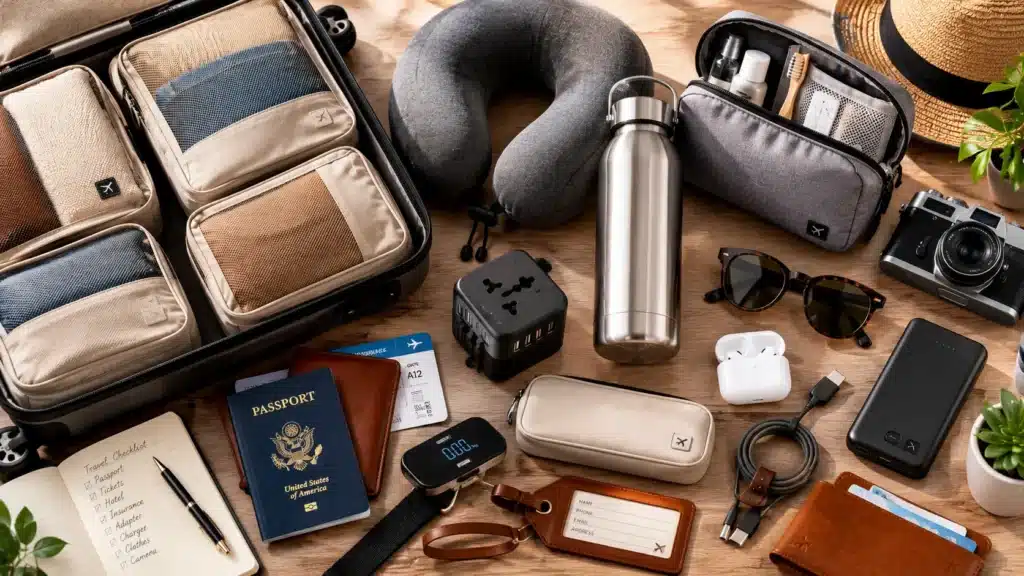
- Modesty Scarf or Pashmina: This is the most critical accessory for female travelers. You must cover your head to enter any mosque. Having your own lightweight scarf is far more comfortable than borrowing the public ones provided at the entrances.
- Anti-Theft Crossbody Bag: Pickpocketing is rare but can happen in crowded areas like the Grand Bazaar. A secure crossbody bag with zippers keeps your valuables safe.
- Reusable Water Bottle: Staying hydrated is vital. While you should stick to filtered or bottled water in Turkey, a reusable bottle is great for filling up at your hotel before heading out.
- Packing Cubes: These are a game-changer for keeping your suitcase organized, especially when moving between multiple cities like Istanbul, Cappadocia, and Antalya.
- Quick-Dry Microfiber Towel: Excellent for impromptu beach trips, boat tours, or if you plan on visiting a traditional Turkish Hammam.
- Sunglasses: A high-quality pair of polarized sunglasses is essential year-round.
- Travel Laundry Detergent: A small packet of sink detergent allows you to wash socks and underwear, enabling you to pack lighter.
What NOT to Pack for Turkey
Knowing what to leave behind is just as important as knowing what to bring. Avoid weighing down your luggage with these unnecessary items.
- High Heels: The historical areas of Turkish cities are paved with uneven cobblestones. Heels will ruin your feet and your shoes.
- Revealing Clothing for City Tours: While fine for the beach, walking around historic neighborhoods in overly revealing clothing will draw unwanted attention and prevent you from entering religious sites.
- Heavy Guidebooks: They take up too much weight and space. Download digital versions or rely on updated travel blogs instead.
- Too Much Cash: Do not bring huge amounts of your home currency. ATMs are everywhere in Turkey, and withdrawing Lira directly offers better exchange rates and security.
- Expensive or Flashy Jewelry: Leave your valuable heirlooms at home to minimize the risk of loss or theft.
- Drones (Without Permits): Turkey has very strict drone laws. If your drone weighs over 500g, it requires registration, and flying over historical sites without permission can result in confiscation or fines.
Turkey Travel Packing Tips for Different Travelers
Your travel style heavily influences your packing needs. Here is some tailored advice based on how you plan to explore the country.
Solo Travelers
Solo travelers need to prioritize security and self-reliance.
- Portable Door Lock: For added peace of mind in hotel rooms or hostels.
- Compact Tripod: If you want great photos of yourself at the Hagia Sophia or Pamukkale without relying on strangers, a lightweight tripod with a Bluetooth remote is essential.
- Digital Backups: Keep offline maps and translation apps downloaded, as you will not have a travel partner to rely on if you lose service.
Couples
Traveling as a pair allows for strategic packing and sharing the load.
- Share Toiletries: Only pack one toothpaste, one sunscreen, and one shampoo to save valuable luggage space.
- Smart Casual Evening Wear: Pack at least one nice outfit. Istanbul and Bodrum have incredible fine-dining and rooftop bar scenes perfect for romantic date nights.
- Dual Headphone Splitter: Great for watching movies together on flights or long intercity bus rides.
Families
Traveling with children in Turkey requires extra preparation for comfort and entertainment.
- Snacks from Home: While Turkish food is delicious, having familiar snacks on hand is a lifesaver during long transit days or for picky eaters.
- Extensive First Aid Kit: Upgrade your basic kit to include children’s pain relievers, thermometer, and plenty of bandages.
- Entertainment: Download extra movies and games on tablets for long bus journeys.
- Lightweight Stroller: If traveling with toddlers, bring a sturdy but lightweight stroller that can handle uneven pavements.
Backpackers
For those moving frequently via buses and staying in hostels, minimal weight is the ultimate goal.
- Travel Towel: Hostels often charge for towels, so having your own microfiber towel saves money and dries quickly.
- Padlock: Essential for securing your belongings in hostel lockers.
- Headlamp: Useful for reading in dorm rooms without disturbing others or navigating dark streets in remote villages.
- Versatile Clothing: Every piece of clothing must serve multiple purposes and match with everything else in your bag.
Your Printable Turkey Packing Checklist
Use this quick-reference Turkey packing checklist as you finalize your luggage.
Documents & Money
- Passport (6+ months validity)
- Printed E-Visa
- Travel Insurance Details
- Flight / Hotel Itineraries
- Credit/Debit Cards (No foreign transaction fees)
- Small amount of cash (for arrival)
Clothing (Adjust for Season)
- 4-5 Breathable T-shirts / Tops
- 1-2 Long-sleeve shirts for layering
- 2 Pairs of comfortable trousers / jeans
- 1-2 Shorts or Skirts (Summer)
- 1 Modest outfit for mosque visits
- 1 Light jacket or warm coat (depending on season)
- 7 Pairs of underwear and socks
- Sleepwear
- Swimwear
Footwear
- 1 Pair of comfortable walking sneakers
- 1 Pair of sandals or slip-on shoes
- 1 Pair of water shoes or hiking boots (activity dependent)
Toiletries & Health
- Toothbrush and toothpaste
- Deodorant
- High SPF Sunscreen
- Lip balm with SPF
- Prescription medications
- Basic first-aid (pain relievers, plasters, anti-diarrheal)
Electronics & Accessories
- Smartphone and charger
- Universal Travel Adapter (Type C/F)
- Power Bank
- Modesty Scarf / Pashmina
- Sunglasses and Hat
- Crossbody bag or daypack
- Reusable water bottle
Frequently Asked Questions (FAQ)
1. Do women need to cover their heads everywhere in Turkey?
No. Women only need to cover their heads, shoulders, and knees when entering mosques or specific religious sites. In everyday public spaces, cities, and resort towns, standard Western clothing is perfectly acceptable.
2. Can I wear shorts in Turkey?
Yes, men and women can wear shorts in Turkey. They are very common in coastal towns like Antalya and Bodrum, and widely worn in modern areas of Istanbul. However, shorts are not permitted inside mosques.
3. What kind of plug adapter do I need for Turkey?
Turkey uses the standard European two-round-pin plugs, specifically Type C and Type F. The voltage is 230V.
4. Is it cold in Cappadocia?
Yes, it can be. Because Cappadocia is located on a high-altitude plateau, the mornings are quite chilly even in the summer. If you are doing a sunrise hot air balloon ride, a jacket is essential year-round. In winter, it snows heavily.
5. Should I bring a suitcase or a backpack to Turkey?
This depends on your travel style. If you are taking private transfers and staying in luxury hotels, a rolling suitcase is fine. If you are using public transport, taking ferries, and staying in budget accommodations, a travel backpack is much easier to carry over cobblestones and stairs.
6. Can I easily buy toiletries and medications in Turkey?
Yes. Turkish pharmacies (Eczane) are plentiful, well-stocked, and the pharmacists are highly trained. Supermarkets also carry all basic toiletries. However, it is best to bring specific prescription medications from home.
7. How much cash should I pack for Turkey?
Do not bring large amounts of foreign currency. Bring the equivalent of $50-$100 USD/EUR for immediate arrival expenses. For the rest of your trip, use your travel debit card to withdraw Turkish Lira directly from local ATMs for the best exchange rate.

Conclusion: Mastering Your Turkey Packing List
Packing for a trip to Turkey does not have to be an overwhelming task. The secret lies in preparation, versatility, and understanding the specific requirements of the regions you plan to visit. By following this comprehensive Turkey packing list, you will be ready to navigate the vibrant streets of Istanbul, respect the profound history of local religious sites, and relax comfortably on the Mediterranean coast.
Remember that while packing the right gear is important, leaving a little extra space in your suitcase for souvenirs and an open mind for new cultural experiences are the ultimate travel essentials. Use our Turkey packing guide to organize your luggage efficiently, double-check your documents, and get ready for the adventure of a lifetime. Safe travels, and enjoy every moment in Turkey!