
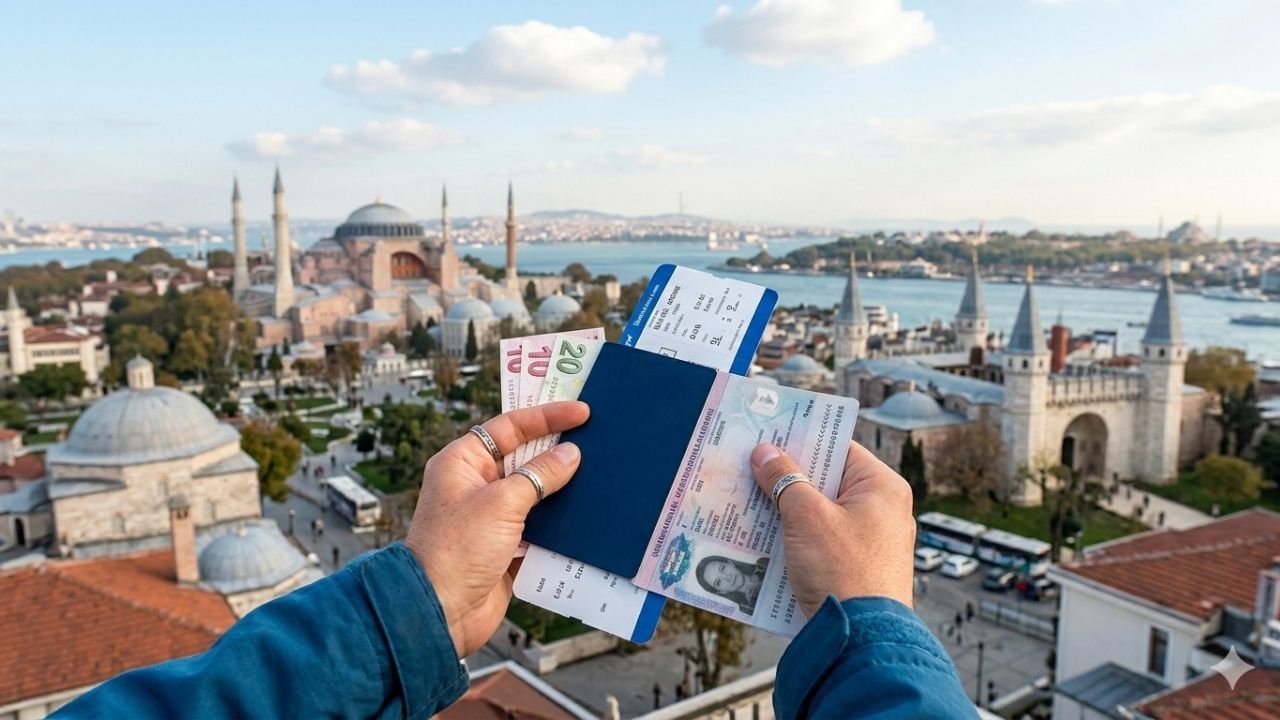
Planning your first trip to Turkey, a captivating country spanning Europe and Asia, is an exciting prospect. However, before you immerse yourself in Istanbul’s history or float over Cappadocia, understanding the potential expenses is crucial. This comprehensive guide breaks down the Turkey trip cost for international travelers, offering realistic budget ranges, practical saving tips, and detailed expense analyses to help you plan a memorable and financially sound Mediterranean adventure.
The overall Turkey travel cost varies significantly based on your travel style, originating country, the time of year, and personal preferences. Whether you are a budget-conscious backpacker, a mid-range explorer, or seeking luxury, meticulous planning is key to managing your Turkey travel expenses effectively. This article details every essential cost category, ensuring you can budget accurately for your journey to this diverse and beautiful destination.
Total Estimated Turkey Trip Cost: A Quick Budget Summary
To provide an immediate overview, here is a quick summary of the estimated Turkey trip cost for a 7-day journey. These figures are realistic estimates and assume arrival in Istanbul (IST). Prices are listed in US Dollars (USD) for global relevance.
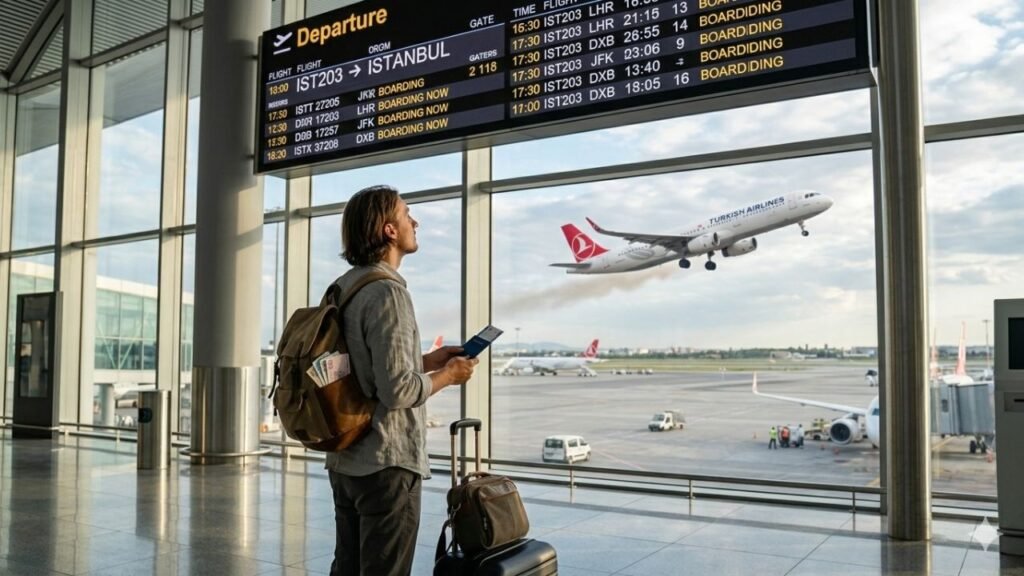
Please note: The exchange rate for the Turkish Lira (TRY) fluctuates considerably. Always check the current rate when planning. Currently, 1 USD is approximately 30-32 TRY (rates change daily).
| Category | Budget Traveler (Per Person) | Mid-Range Traveler (Per Person) | Luxury Traveler (Per Person) |
| Accommodation (6 Nights) | $120 – $240 | $350 – $600 | $900 – $2,000+ |
| Food & Drinks (Daily) | $15 – $25 | $35 – $60 | $90 – $180+ |
| Local Transport | $30 – $60 | $70 – $150 | $200 – $400+ |
| Sightseeing & Activities | $100 – $180 | $250 – $450 | $600 – $1,200+ |
| Miscellaneous (SIM, etc.) | $25 – $40 | $40 – $70 | $70 – $150+ |
| Total (Excl. Flights & Visa) | $425 – $740 | $910 – $1,630 | $2,260 – $4,730+ |
Note: International flights and visa fees are excluded from this table as they vary greatly depending on your country of origin.
Detailed Breakdown of Turkey Travel Expenses
Now, let’s explore each major expense category to understand the Turkey travel cost in detail.
1. International Flights to Turkey
Your flight ticket will likely be the most significant initial component of your Turkey trip cost. Prices are highly dependent on your departure city, how far in advance you book, and the season. Istanbul (IST) is the main international hub and generally offers the most competitive fares. Sabiha Gökçen (SAW) on the Asian side also handles many low-cost international carriers.
- Major International Hubs: Direct and connecting flights are available from major cities worldwide (London, New York, Dubai, Paris, Singapore, etc.).
- Airlines: Turkish Airlines (national carrier), Pegasus Airlines (low-cost), and numerous international legacy and budget carriers serve Turkey.
- Booking Tip: Use flight comparison engines and book at least 2-3 months in advance. Consider traveling during the shoulder or off-season (November to March) for the lowest fares, which significantly reduces the overall Turkey trip cost. Be mindful of baggage allowances, especially on low-cost carriers.
2. Turkey Visa Fees
Visa requirements for Turkey vary immensely by nationality. Many Western countries (like the UK, USA, and many EU nations) can easily obtain an e-Visa online or, in some cases, enjoy visa-free entry for short tourist stays. Other nationalities must apply for a sticker visa at a Turkish embassy or consulate.
- e-Visa Cost: Typically ranges from $20 to $60 USD, depending on your nationality. Always use the official republic of Turkey e-Visa website to avoid inflated fees from third-party agencies.
- Sticker Visa: Costs vary significantly by country and consulate, often requiring additional service fees from application centers. Expect to pay anywhere from $60 to $150+ USD.
- Requirement Check: Critically verify the exact visa requirements for your specific passport on official Turkish government websites.
3. Travel Insurance Cost
While not universally mandatory for entry, comprehensive travel insurance is essential and should be considered a non-negotiable part of your Turkey travel expenses. It protects against medical emergencies, trip cancellations, delays, and lost baggage.
- Estimated Cost: Approx. $15 – $40 USD for a 7-10 day trip, depending on age, coverage limits, and originating country. Ensure your policy covers medical repatriation and COVID-19 related issues.
4. Accommodation Costs in Turkey

Your stay choice has a dramatic impact on your Turkey budget trip cost. Turkey offers everything from social hostels to world-class luxury resorts and unique boutique cave hotels in Cappadocia. Prices are generally higher in Istanbul’s tourist centers (Sultanahmet and Taksim) and popular coastal hotspots during summer.
- Per Person, Per Night (Assuming Double Occupancy):
- Budget (Hostels/Simple Guesthouses): $20 – $40 USD. This gets you a dorm bed or a very basic private room with shared facilities in a decent location.
- Mid-Range (3-star Hotels/Boutique Stays): $60 – $100 USD. Expect clean, comfortable rooms, often with breakfast included, in good locations. Standard cave hotels in Cappadocia fit this range.
- Luxury (5-star Hotels/Luxury Resorts/Premium Cave Suites): $150 – $350+ USD. These offer prime locations, exceptional amenities, spas, and sometimes private pools or hot tubs.
- Booking Tip: Platforms like Booking.com, Agoda, and Airbnb are widely used. Accommodation makes up a massive portion of the overall Turkey travel expenses; staying slightly outside the main tourist hubs can offer significant savings.
5. Food & Drink Expenses
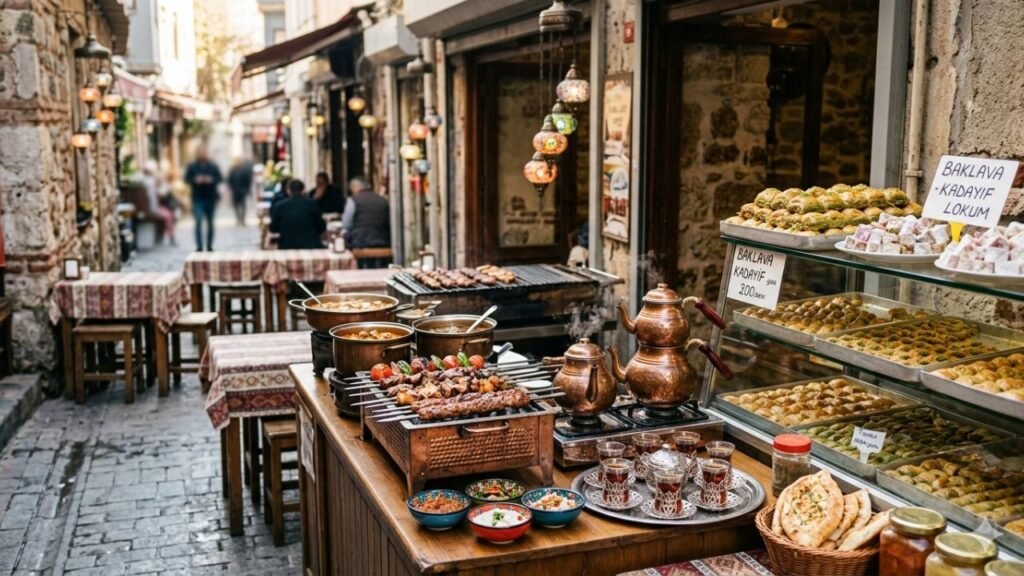
Turkish cuisine is world-renowned and can be enjoyed at various price points, making it easy to manage this part of your Turkey travel cost per person. Street food is abundant, delicious, and incredibly cheap.
- Estimated Daily Food Cost (Per Person):
- Budget: $15 – $25 USD. This covers street food lunches (döner wraps, pide, simit), local cafeteria meals, tea, and bottled water. Tap water is generally not recommended.
- Mid-Range: $35 – $60 USD. This includes a sit-down meal at a casual restaurant or lokanta (local eatery) for dinner, street food or a light lunch, and non-alcoholic drinks. Breakfast is often included in mid-range hotel bookings.
- Luxury: $90 – $180+ USD. Dining at upscale restaurants, perhaps with stunning Bosphorus views, extensive international menus, fine wines, and exceptional service.
- Money-Saving Tip: Look for günlük menü (daily set menus) for lunch. Alcohol is taxed heavily in Turkey; limiting consumption is a simple way to reduce your Turkey travel expenses. Opt for local tea (çay) or coffee.
6. Local Transportation Costs
Navigating Turkey’s cities and regions is generally efficient and affordable, playing a key role in keeping your Turkey trip cost manageable. Domestic flights are popular for covering vast distances, while the bus network is extensive and budget-friendly.

- Intra-City Transport:
- Public Transport (Metro, Tram, Bus, Ferry): Incredibly cheap, especially in Istanbul. A single ride is often under $0.50 USD with a rechargeable card (e.g., Istanbulkart). Budget around $3 – $6 USD per day for extensive use.
- Taxis: More expensive. Always ensure the meter is used or use an app like BiTaksi. Taxi scams can occur in tourist areas.
- Inter-City Transport:
- Buses: An excellent network with comfortable, modern coaches. A 5-hour journey might cost $15 – $25 USD. This is the best option for maintaining a Turkey budget trip cost.
- Trains: High-speed trains connect Istanbul, Ankara, and Konya. Costs are comparable to buses.
- Domestic Flights: Covered below.
7. Sightseeing & Entrance Fees
This category can fluctuate significantly, impacting the overall Turkey trip cost per person. Major attractions have entrance fees, and unique experiences can be major expenses.
- Entry Fees for Key Attractions:
- Hagia Sophia (Istanbul): Currently (as of late 2023) requires a fee of approx. $25 USD for foreign tourists.
- Topkapi Palace & Harem (Istanbul): Approx. $30 – $40+ USD depending on combined tickets.
- Ephesus Ancient City (Selçuk): Approx. $25 USD.
- Pamukkale & Hierapolis: Approx. $15 USD.
- Museum Pass: The MuseumPass Turkey (valid for 15 days across the country) costs approx. $100 – $120 USD and provides access to over 300 state-run museums and sites. Calculate entry fees for your planned sites to see if it offers value.
- Activities:
- Hot Air Balloon Ride (Cappadocia): $180 – $400+ USD per person. This is often the single most expensive activity and will considerably impact your Turkey travel expenses. Pre-booking is essential.
- Bosphorus Cruise (Istanbul): $12 – $30+ USD (public ferry is the cheapest).
- Whirling Dervish Ceremony: $25 – $50 USD.
8. Domestic Flights in Turkey
Turkey is a large country. For a 7-10 day trip visiting distant regions like Cappadocia or the Aegean coast, domestic flights are almost always a superior option to long, overnight bus rides, saving valuable time.
- Cost: $40 – $100+ USD per person for a one-way flight.
- Airlines: Turkish Airlines (often via IST), Pegasus Airlines (low-cost), and SunExpress.
- Booking Tip: Domestic flights are incredibly cheap when booked weeks or months in advance. Baggage allowance is crucial; checking limits on low-cost carriers prevents surprise fees, helping maintain your Turkey budget trip cost.
9. SIM Card & Internet
Staying connected is important for navigation and research, and it’s a small but essential part of your Turkey travel expenses.
- Local SIM Card: Approx. $20 – $30 USD. Major providers are Turkcell, Vodafone Turkey, and Türk Telekom. Tourist SIMs with pre-paid data are widely available at airports (convenient but slightly costlier) and city-center stores (cheaper).
- eSIM: Services like Airalo provide convenient and often cost-competitive eSIM data-only packages. Expect around $10 – $25 USD for a useful amount of data. Avoid international roaming with your home SIM due to high costs.
Money-Saving Tips for International Travelers in Turkey

Optimizing your Turkey trip cost is achievable with a few smart strategies.
- Book Flights and Accommodation in Advance: Aim for 2-3 months before travel for the best rates on international and domestic flights and hotels.
- Travel During Shoulder or Off-Season: Visit in spring (April-May) or autumn (September-October) for moderate weather and lower costs. Winter (November to March) offers the lowest prices but requires winter clothing.
- Eat Like a Local: Prioritize street food and casual local eateries (lokantas) over tourist-heavy restaurants, especially in places like Istanbul’s Sultanahmet. The quality is often superior, and prices are significantly lower, decreasing your overall Turkey travel expenses.
- Master Public Transport: Utilize metro, tram, and bus systems. It’s safe, efficient, and exceptionally cheap compared to taxis. Get an Istanbulkart immediately upon arrival.
- Be Savvy with Cash and Currency: Exchange a small amount at the airport and a larger amount at better-rate exchanges in the city (like Sultanahmet or Grand Bazaar). Consider using a travel debit card with low or zero forex markup.
- Skip Alcohol: Taxes on alcohol are very high. A beer or a glass of wine can cost as much as a light meal, inflating your Turkey trip cost per person.
- Consider the Museum Pass: Calculate the individual entry fees for your planned sites. If you are a history buff, the MuseumPass Turkey could be a major money saver.
- Bargain in Bazaars: Bargaining is expected in traditional markets like the Grand Bazaar and Spice Bazaar. Start low and aim for a 20-30% discount on the initial price.
- Look for Free Activities: Walking tours, exploring parks, visiting grand non-charging mosques, and browsing incredible markets are free and enriching experiences that keep your Turkey travel expenses low.
- Embrace Tea Culture: Çay (Turkish tea) is cheap, pervasive, and often offered free as a sign of hospitality. It’s a lovely cultural tradition that costs very little.
FAQ: Your Turkey Trip Cost Questions Answered
Here are answers to some frequently asked questions about budgeting for a Turkey trip.
1. Is $1,000 USD enough for a 1-week Turkey trip?
Yes, for one person, $1,000 USD is a realistic and sufficient amount for a 1-week, mid-range to budget Turkey trip cost, excluding international flights and visa fees. It would comfortably cover comfortable boutique or 3-star hotels, daily meals, local transport, and key sightseeing (like the Bosphorus cruise and major museum entry fees). However, this amount would likely NOT include the Cappadocia hot air balloon ride (approx. $200-$300+ extra) or significant shopping. A tight budget could reduce this cost further.
2. Is Turkey cheaper or more expensive than Dubai?
Overall, Turkey is generally considered more expensive for a total trip cost than Dubai. While local expenses (food, transport, accommodation) within Turkey can be comparable to or even cheaper than in Dubai, the required sticker visa (for some nationalities), longer international flights, and higher-cost iconic activities (like the hot air balloon) tend to make the final Turkey trip cost higher. For a very short, shopping-focused trip, Dubai could be cheaper, but for a 7-10 day travel experience with diverse historical and natural sites, Turkey offers more value for a slightly higher investment.
3. Which month is the cheapest to travel to Turkey?
The cheapest time to travel to Turkey is during the winter season, from November to March (excluding the Christmas and New Year holidays). This is the off-season, meaning:
Flights: Round-trip flight costs are at their lowest.
Accommodation: Hotels offer significantly reduced rates.
Sightseeing: Key attractions are less crowded, but be aware that some services, like specific coastal ferry routes or specific tours, may have limited schedules.
The weather will be cold, especially in the interior (Cappadocia can be snowy and beautiful), and you’ll need to pack winter gear. April, May, September, and October are the shoulder seasons, offering a great balance of moderate weather and slightly reduced costs.
4. How much cash should I carry to Turkey?
Carrying excessive cash is risky. A balanced approach is best:
Small Amount: Bring enough Turkish Lira (TRY) to cover immediate costs like airport transport and your first meal (approx. 1,000 – 1,500 TRY). You can exchange a small amount at your home bank or airport forex counter (though rates aren’t the best).
Main Source: Rely primarily on a travel debit or forex card. Withdraw TRY from ATMs in Turkey as needed, choosing reputable banks to ensure competitive exchange rates and lower withdrawal fees. This helps keep your Turkey travel expenses organized and secure.
Carry a Backup: Carry a credit card with no foreign transaction fee for major payments like hotel bills.
5. Can I use USD or Euros directly in Turkey?
While major tourist businesses, hotels, and sometimes shops in prominent bazaars may accept USD or Euros, it is strongly advised to use Turkish Lira (TRY). Using foreign currency often results in poor exchange rates and confusion over change. Always pay in the local currency to ensure you get the correct price and avoid overpaying.
Conclusion
Planning a Turkey trip is an achievable and incredibly rewarding dream for international travelers. Understanding the complete picture of Turkey travel expenses—from mandatory visas and major international flights to daily food and unique activities like a Cappadocia balloon ride—is crucial for setting a realistic budget. Your Turkey trip cost per person can range widely based on your choices.
A comfortable, mid-range DIY trip for 7 days typically ranges from $900 to $1,600 USD per person, excluding international flights and visa fees. By following our practical money-saving tips and careful budgeting, you can experience Turkey’s wonders—from ancient ruins to stunning landscapes—without breaking the bank. Happy planning!