
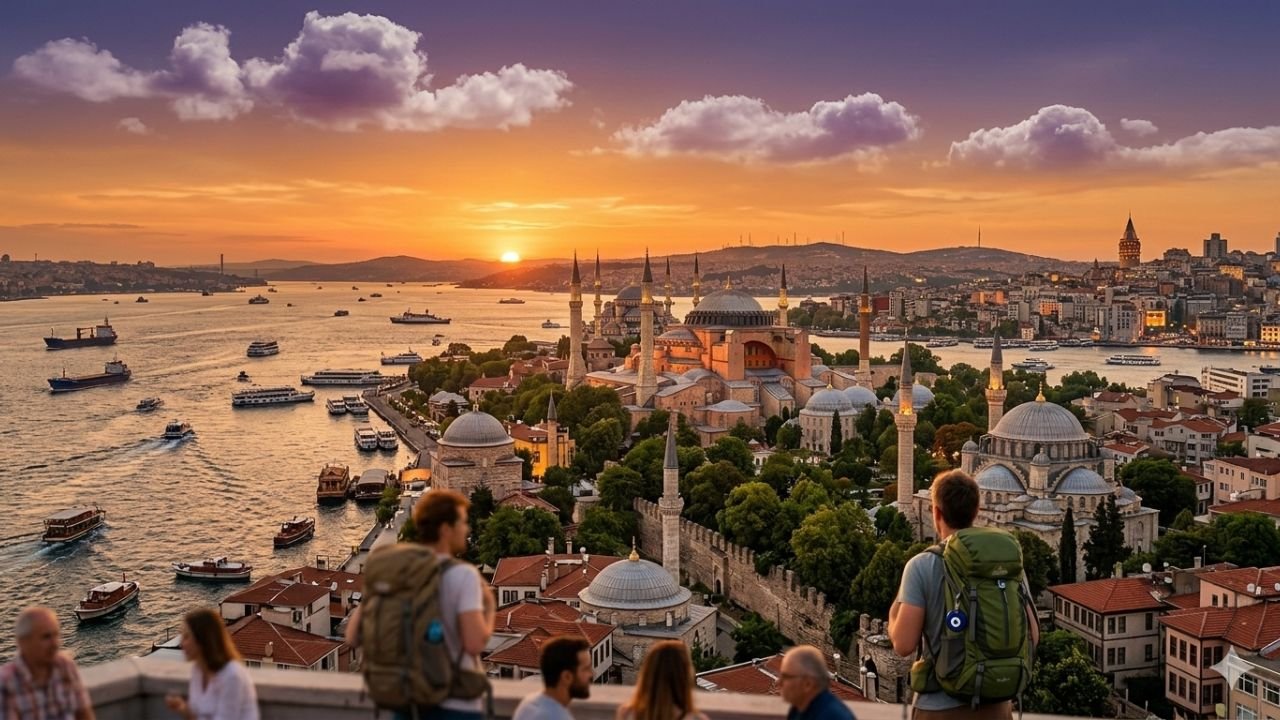
Istanbul is a city that defies simple categorization. As the only metropolis in the world to straddle two continents—Europe and Asia—it serves as a literal and figurative bridge between the East and the West. With over 2,500 years of history, it has been the capital of the Roman, Byzantine, and Ottoman Empires, leaving behind a staggering wealth of architectural and cultural treasures. Today, it is a bustling modern megacity where ancient minarets pierce the skyline alongside futuristic skyscrapers. This Istanbul travel guide is designed to help you navigate this complex, beautiful, and vibrant destination with ease.
For a first-time visitor, the sensory experience can be overwhelming. The scent of roasted chestnuts in the air, the rhythmic call to prayer echoing from a dozen domes, and the shimmering blue of the Bosphorus all compete for your attention. Whether you are here for the deep historical roots or the cutting-edge culinary scene, Istanbul promises an adventure that is as educational as it is enchanting.
Why Visit Istanbul?
There are few places on Earth where you can explore a 6th-century cathedral in the morning, lose yourself in a 15th-century market in the afternoon, and dine at a Michelin-starred rooftop restaurant by night. Istanbul is a city of layers. Every street corner tells a story of a different era, and the people are famously hospitable, often greeting travelers with a warm glass of Turkish tea (çay).
Beyond the monuments, the city’s geography is its greatest asset. The Bosphorus Strait doesn’t just divide the city; it defines its soul. Life in Istanbul revolves around the water, and the simple act of taking a cross-continental ferry for the price of a bus ticket is a travel experience unlike any other.
Top Places to Visit in Istanbul
The “Historic Peninsula” of Sultanahmet is where most travelers begin. This area contains a high concentration of Istanbul tourist attractions, many of which are within walking distance of one another.
Hagia Sophia (Ayasofya)
The Hagia Sophia is perhaps the most iconic symbol of the city’s dual identity. Built by the Byzantine Emperor Justinian I in 537 AD, it was the world’s largest cathedral for nearly a millennium before being converted into a mosque following the Ottoman conquest in 1453.
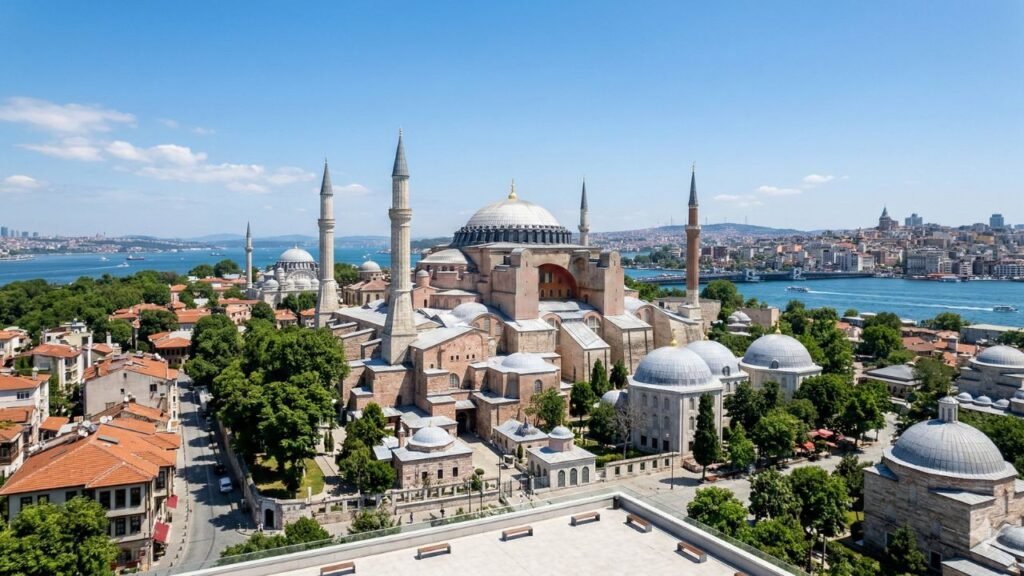
- Why it’s famous: Its massive dome was an architectural miracle of its time. Inside, Christian mosaics coexist with giant Islamic calligraphy medallions.
- Entry Info: It is an active mosque; entry is free but scheduled around prayer times. Note that as of 2026, a separate gallery entrance exists for foreign tourists to preserve the prayer area.
- Best Time to Visit: Early morning (9:00 AM) to avoid the longest queues.
- Insider Tip: Ladies must cover their hair, and everyone must remove their shoes. Bring your own scarf to avoid having to buy a disposable one at the door.
The Blue Mosque (Sultan Ahmed Mosque)
Sitting directly opposite the Hagia Sophia, the Blue Mosque is famous for its six minarets and the 20,000 blue Iznik tiles that decorate its interior.
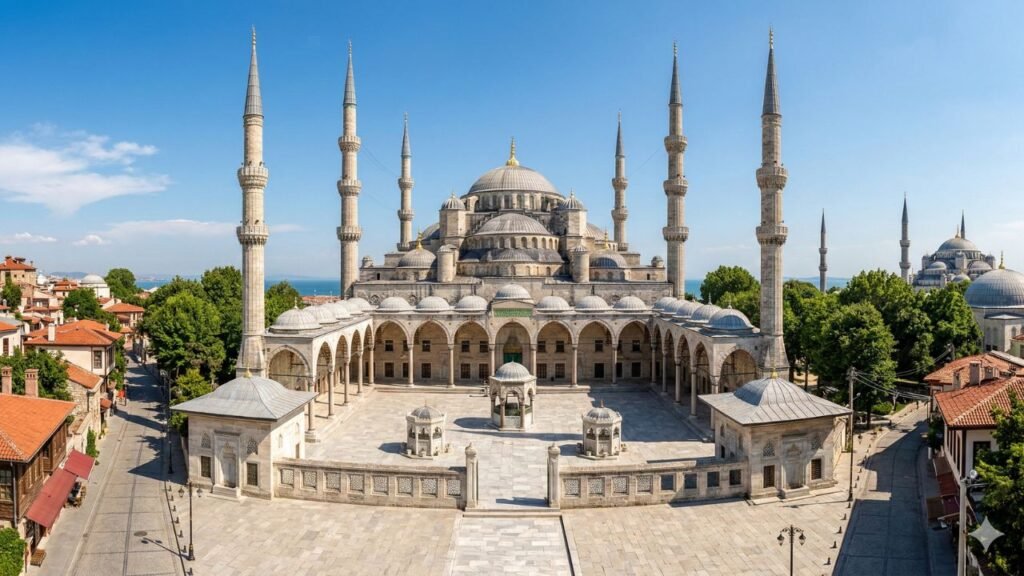
- Why it’s famous: It represents the peak of Ottoman mosque architecture and remains one of the most photographed places to visit in Istanbul.
- Entry Info: Free entry. Closed to visitors during the five daily prayer times.
- Best Time to Visit: Mid-morning between the first two prayer sessions.
- Insider Tip: Walk into the mosque from the Hippodrome side rather than the park side to get the most dramatic view of the architecture.
Topkapi Palace
For nearly 400 years, this was the primary residence of the Ottoman Sultans. It is a sprawling complex of courtyards, treasury rooms, and the legendary Harem.
- Why it’s famous: It houses the “Spoonmaker’s Diamond” and sacred relics, offering a glimpse into the opulent lifestyle of the Ottoman royalty.
- Entry Info: Requires a paid ticket. The Harem section requires an additional supplement but is highly recommended.
- Best Time to Visit: As soon as it opens (9:00 AM).
- Insider Tip: Don’t miss the fourth courtyard for some of the best panoramic views of the Bosphorus and the Golden Horn.
The Grand Bazaar (Kapalıçarşı)
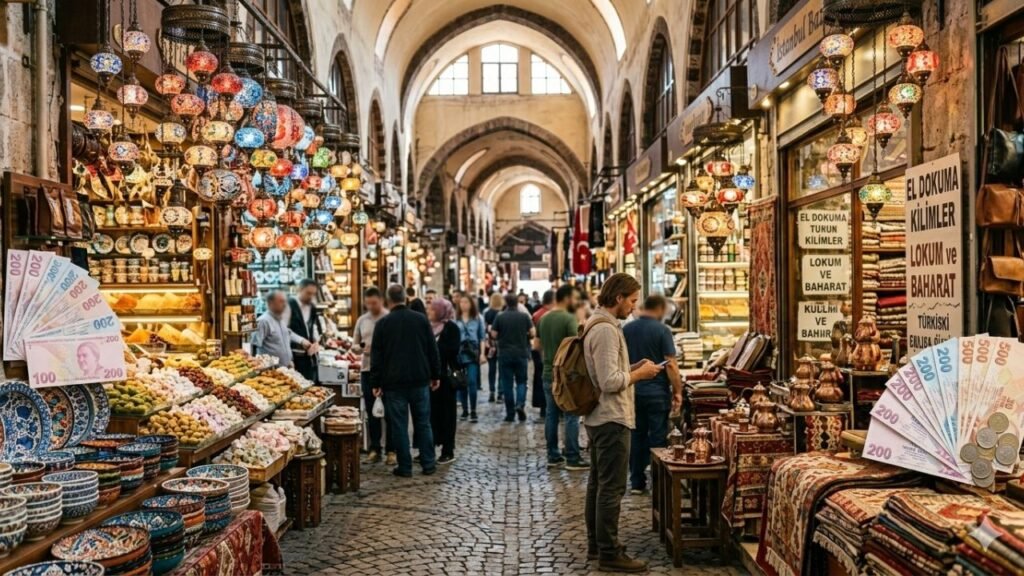
With over 4,000 shops spread across 60 covered streets, the Grand Bazaar is one of the oldest and largest covered markets in the world.
- Why it’s famous: It is the ultimate destination for Turkish carpets, leather goods, jewelry, and hand-painted ceramics.
- Entry Info: Free to wander.
- Best Time to Visit: Late afternoon when the morning rush has died down.
- Insider Tip: Haggling is expected. Start by offering 50% of the initial price and aim to settle somewhere in the middle.
Bosphorus Cruise
No Istanbul travel guide is complete without mentioning the water. A cruise allows you to see the city’s grand waterfront mansions (yalıs) and palaces from the best possible angle.
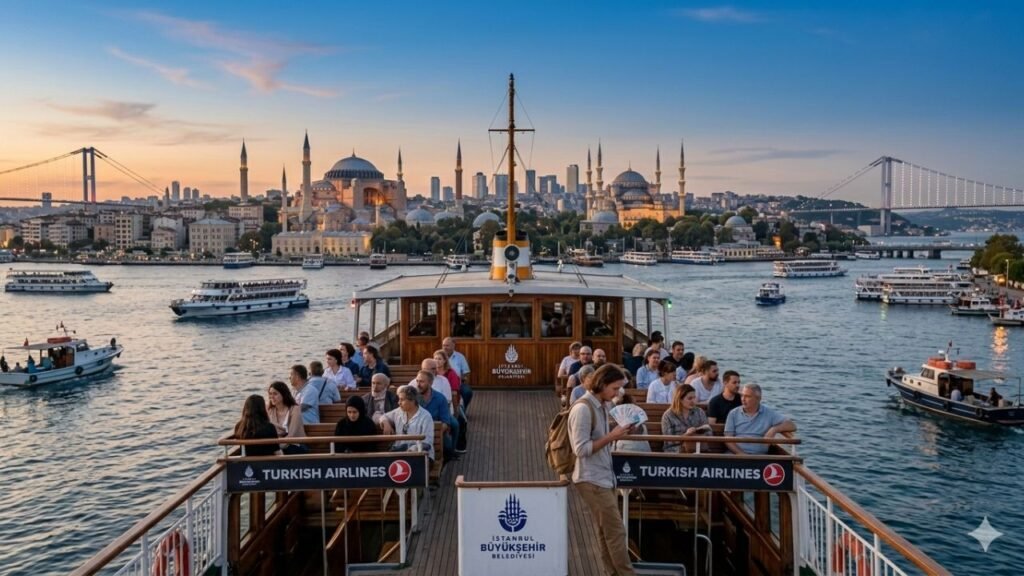
- Why it’s famous: It provides a unique perspective on how the city connects Europe and Asia.
- Entry Info: You can take a private tourist boat (1.5–2 hours) or the public Şehir Hatları ferry for a more local experience.
- Best Time to Visit: Just before sunset to see the city lights begin to shimmer.
- Insider Tip: Buy a “Long Bosphorus Tour” ticket if you want to go all the way to the mouth of the Black Sea and explore the village of Anadolu Kavağı.
Galata Tower
This medieval stone tower dominates the skyline of the Beyoğlu district. Built by the Genoese in 1348, it was once used as a watchtower to spot fires in the city.
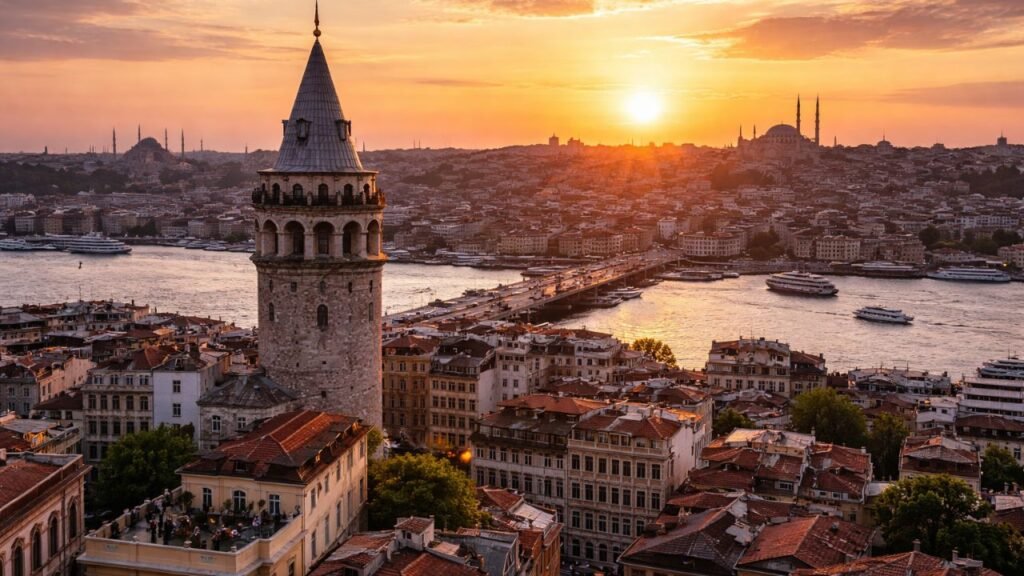
- Why it’s famous: It offers a 360-degree panoramic view of the entire city, including the Golden Horn and the Sultanahmet peninsula.
- Entry Info: Paid entry via elevator, with a spiral staircase for the final descent.
- Best Time to Visit: Late afternoon for the “Golden Hour” photography.
- Insider Tip: The queue can be long; consider visiting the nearby Galata Rooftop cafés instead if you just want the view without the wait.
Things to Do in Istanbul Beyond Tourist Spots
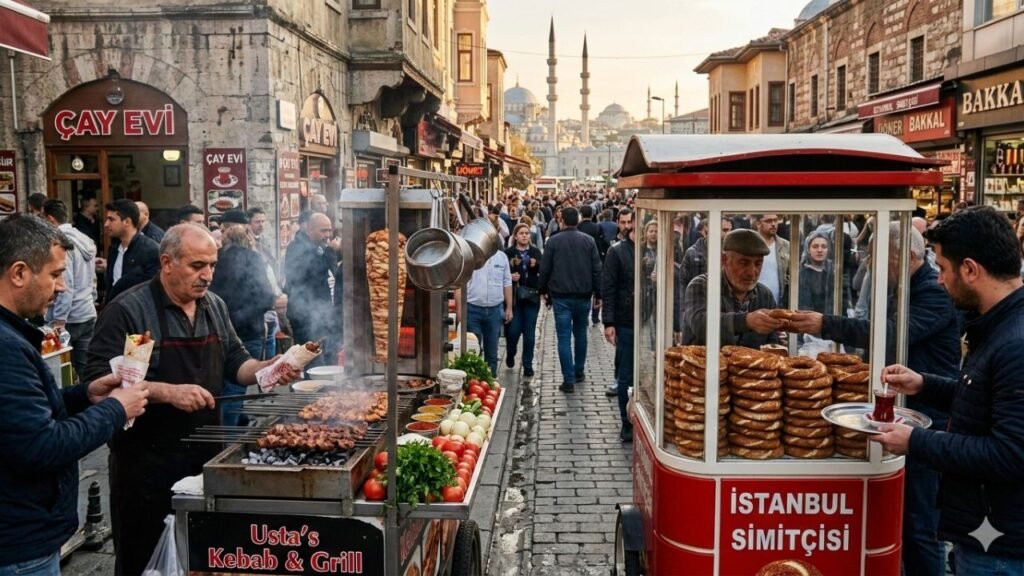
While the big monuments are essential, the real magic of Istanbul is found in its daily rhythms.
- Take a Food Tour: Istanbul is a culinary capital. Head to the Kadıköy Fish Market on the Asian side to try midye dolma (stuffed mussels) or kokoreç.
- Experience a Hammam: Visit a traditional Turkish bath like the Hürrem Sultan Hamam or Kılıç Ali Paşa. It’s a centuries-old ritual of steaming, scrubbing, and massage that leaves you feeling reborn.
- Ferry to the Asian Side: Hop on a ferry from Eminönü to Kadıköy. It’s the best 20-minute journey in travel, offering views of the Maiden’s Tower and a chance to see how locals actually live.
- Balat and Fener: These historic Greek and Jewish quarters are famous for their colorful houses and narrow, sloping streets—perfect for street photography.
Where to Stay in Istanbul
Choosing the right neighborhood is the most important part of your Istanbul itinerary.
- Sultanahmet (History): Best for those who want to be steps away from the Hagia Sophia and Blue Mosque. It’s quiet at night but very touristy during the day.
- Taksim / Beyoğlu (Nightlife): The modern heart of the city. Centered around İstiklal Avenue, this area is packed with shops, bars, and restaurants that stay open late.
- Karaköy (Trendy): A former port district turned hip neighborhood. It’s filled with art galleries, boutique hotels, and stylish coffee shops. It’s also perfectly positioned between the old and new city.
- Kadıköy (Local Vibe): Located on the Asian side, this is where the city’s youth and creative community hang out. It’s more affordable and offers a truly authentic Turkish atmosphere.
Istanbul Public Transport Guide
The city’s traffic is legendary, so mastering Istanbul public transport is essential for a stress-free trip.
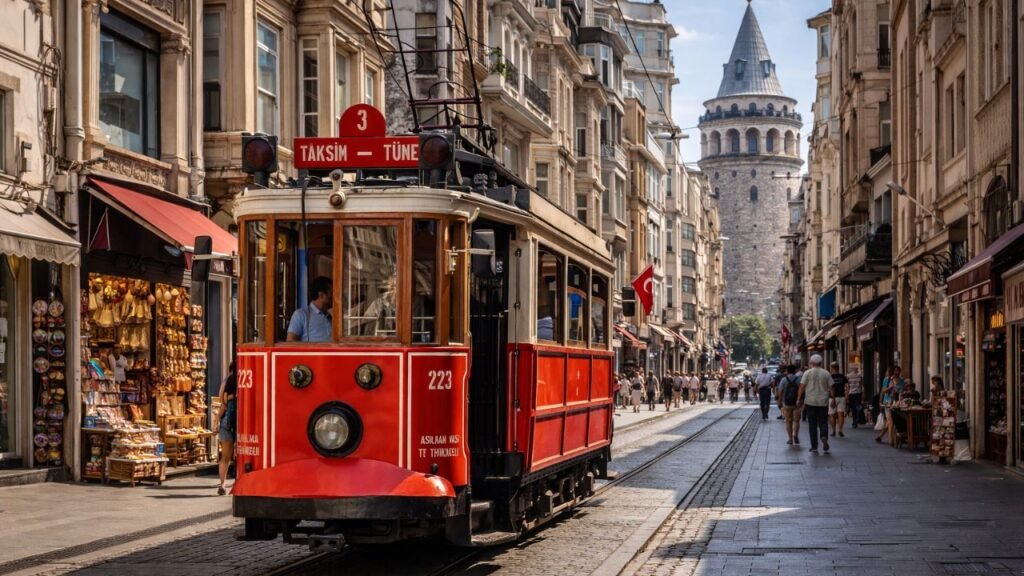
- Istanbulkart: This is a must-have. It’s a rechargeable smart card used for all metros, trams, ferries, and buses. You can buy and top it up at yellow “Biletmatik” machines at almost any station.
- The T1 Tram: This is the most useful line for tourists, connecting Kabataş (near Dolmabahçe) to Sultanahmet and the Grand Bazaar.
- Metro Lines: The M2 line connects the historic Yenikapı hub to Taksim and the northern business districts.
- Ferries: The most pleasant way to travel. Ferries run frequently between the European and Asian piers (Eminönü, Karaköy, Beşiktaş to Kadıköy and Üsküdar).
Best Time to Visit Istanbul
Timing your visit can greatly impact your experience of things to do in Istanbul.
- Spring (April – May): This is the best time to visit Istanbul. The weather is mild, and the city is covered in millions of tulips for the International Tulip Festival.
- Autumn (September – October): Similar to spring, the temperatures are pleasant, and the humidity of summer has faded. It’s ideal for long walking tours.
- Summer (June – August): Expect hot, humid weather and large crowds. However, this is the best time for rooftop dining and Bosphorus breezes.
- Winter (December – February): It can be cold and rainy, but this is when you’ll find the best hotel deals and shortest queues at attractions.
Suggested 3-Day Istanbul Itinerary
If you are a first-time visitor, this route ensures you see the highlights without burning out:
- Day 1: The Imperial Core. Spend your day in Sultanahmet. Visit the Hagia Sophia, Blue Mosque, Basilica Cistern, and Topkapi Palace. End the day with a sunset walk through Gülhane Park.
- Day 2: Markets and Modernity. Start at the Spice Bazaar (Mısır Çarşısı) in Eminönü. Cross the Galata Bridge on foot, explore the Galata Tower, and walk up İstiklal Avenue to Taksim Square.
- Day 3: Two Continents. Visit the Dolmabahçe Palace in the morning. Take a ferry to Kadıköy on the Asian side for lunch. Explore the Moda neighborhood and take the ferry back as the sun sets.
Safety Tips & Travel Advice
- Beware of the “Shoe Shine” Scam: If a shoe shiner drops their brush in front of you, don’t pick it up. It’s a ruse to start a “free” shine that they will later demand payment for.
- Dress Code: While Istanbul is cosmopolitan, modest dress is appreciated, especially in the more conservative Fatih district and inside religious sites.
- Learn Basic Turkish: Words like Merhaba (Hello), Teşekkür ederim (Thank you), and Lütfen (Please) go a long way in building rapport with locals.
- Google Maps vs. Reality: Always leave 20 minutes earlier than the app suggests. Istanbul’s geography is hilly, and traffic is unpredictable.
Frequently Asked Questions
Is an Istanbulkart worth it for only three days?
Absolutely. It makes transfers much cheaper and eliminates the need to carry small change for every journey. You can even use it on some public toilets.
Is it safe to drink tap water in Istanbul?
Locals generally do not drink tap water. It is safe for brushing teeth, but for drinking, it is best to stick to bottled or filtered water which is widely available and cheap.
How much should I tip in restaurants?
In casual spots, rounding up the bill is sufficient. In more formal restaurants, a 10% tip is standard unless a service charge is already included on the bill.
Is Istanbul expensive in 2026?
Due to currency fluctuations, prices can change, but for international travelers, Istanbul remains excellent value compared to major Western European cities.
Do I need a visa for Istanbul?
Most travelers can easily obtain an e-Visa online before arrival. Always check the official government portal for the latest requirements for your specific nationality.
Can I visit the Asian side in a day?
Yes, the ferry ride takes only 20 minutes. It is very easy to include the Asian side in even a short 2-day trip.
Conclusion
Creating a perfect Istanbul travel guide is an impossible task because the city changes every time you visit. It is a place of constant evolution, where tradition is respected but never static. Whether you are standing in the shadow of the Hagia Sophia or watching the city lights from a ferry on the Bosphorus, Istanbul has a way of making every traveler feel like they’ve discovered something truly ancient and entirely new all at once. Embrace the chaos, drink plenty of tea, and let the city of two continents reveal its secrets to you at its own pace.